


Virtual Veterinary Dermatologists can bring the specialist to you
Dermatology cases count for a significant workload for first opinion veterinarians and they can sometimes be challenging. Here at Virtual Veterinary Dermatologists, our Diplomat dermatologists believe that by supporting first opinion veterinarians with help and advice, these cases can be resolved more quickly and easily. Online access to our Specialists will give you a rational list of differential diagnoses, pertinent diagnostic tests, treatment options and long term management plans.
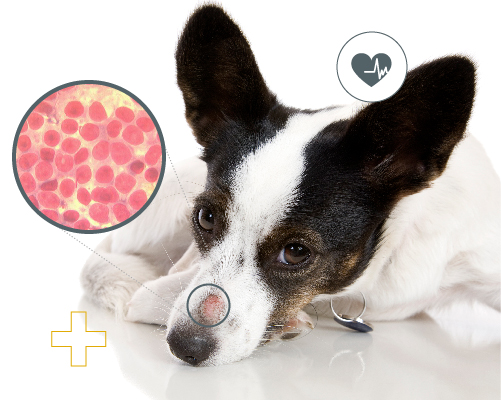

So how does Virtual Veterinary Dermatologists (VVD) work?

VETERINARIAN SUPPORT
We can offer you complete advice for all your dermatology cases through our RCVS and European Specialists in Veterinary Dermatology and our Consultants in Internal Medicine, Exotic Medicine and Oncology. Their collective expertise covers a wide range of small and large animals including domestic, exotic and zoo species. To Register with us click here to set up your account. Then when you next have a problem, you can just log in to your account and click on the service you need. One of our Specialist consultants will then get back to you with answers, help and recommendations for what to do next. For practices wishing to talk to our Specialists on a more regular basis, we offer a Subscription Plan to reduce the cost per written report.
Latest Dermatology News
Stay up to date with the latest treatment trends and diagnosis procedures
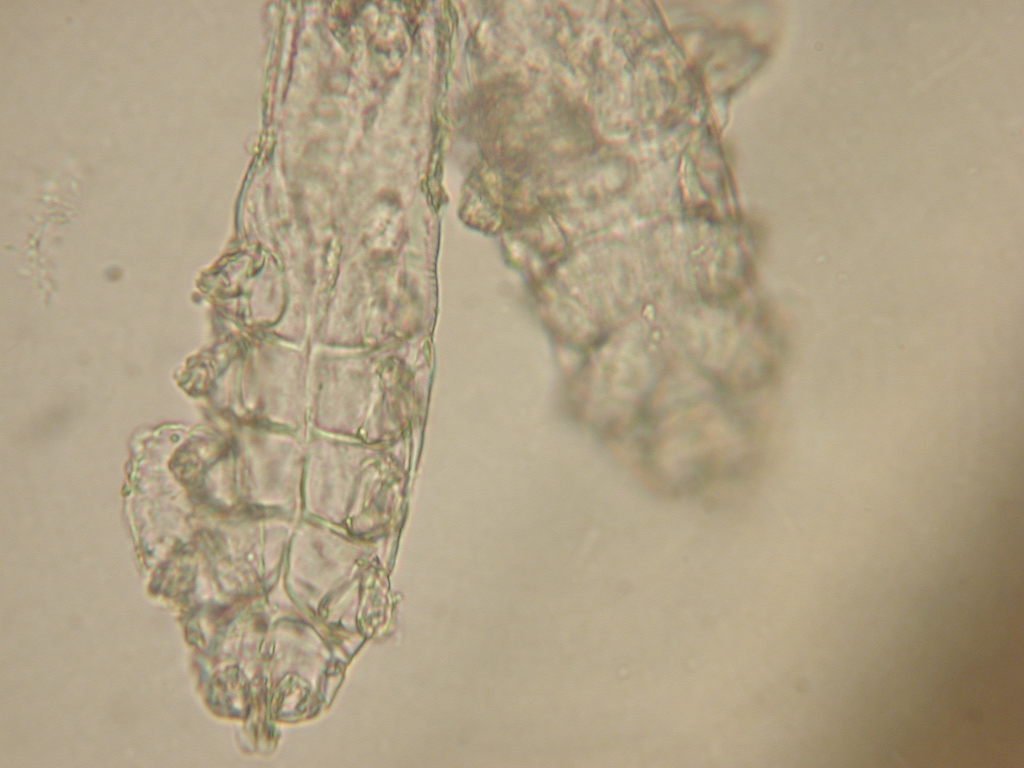
Update on new therapies for demodicosis
Efficacy and safety of sarolaner against generalised demodicosis in dogs in European countries – a non -inferiority study Becskei, B et al Vet Derm 29, 3. 203-207 2018
Monthly oral administration…
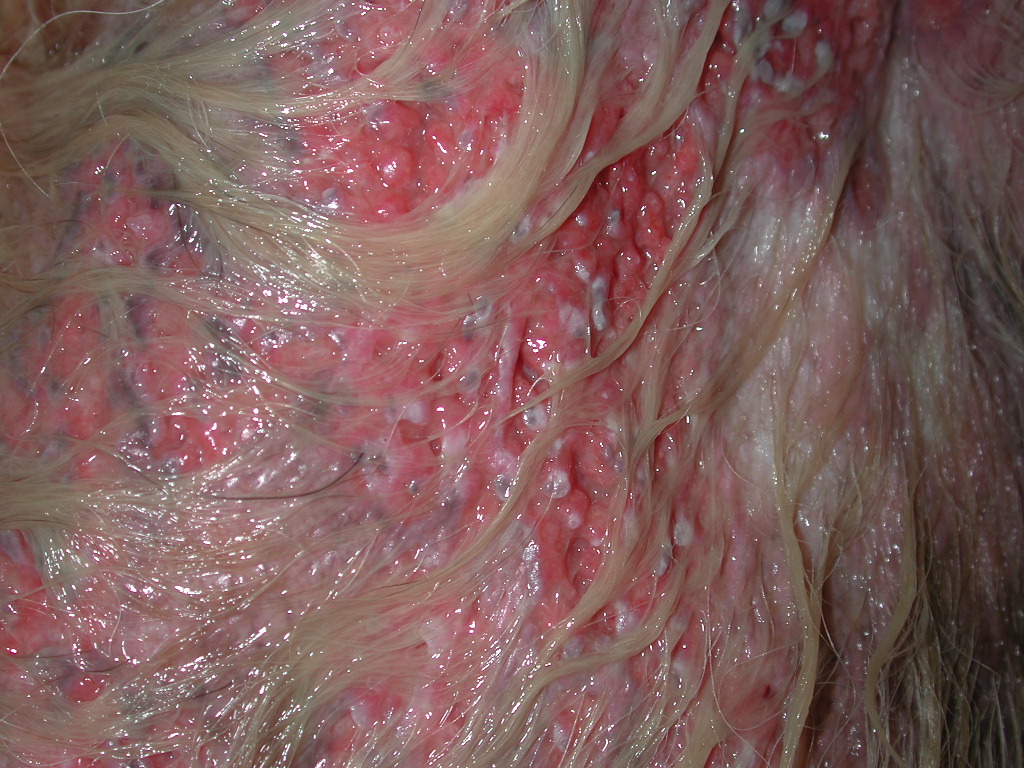
Interesting study on efficacy of honey
In vitro efficacy of a honey-based gel against canine clinical isolates of Staphylococcus pseudintermedius and Malassezia pachydermatis Oliveira A.M. et al Vet Derm, 29, 3 180 - 185
This in vitro…
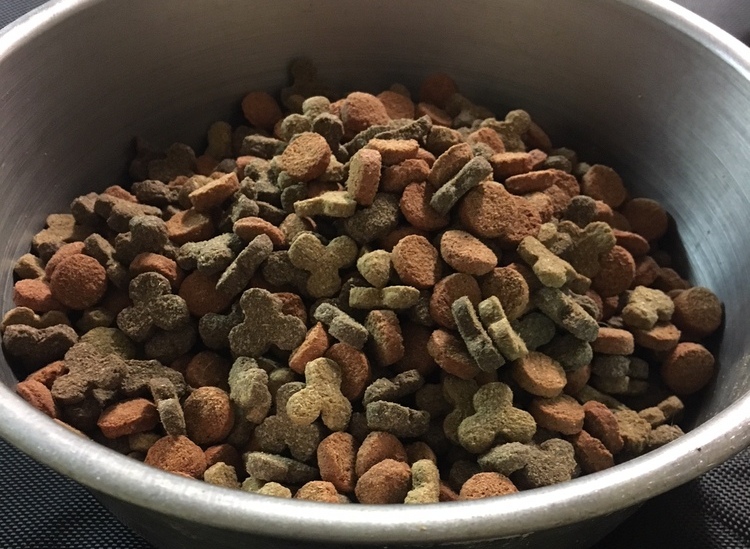
Serological diagnosis of cutaneous adverse food reactions
An assessment of a Western blot method for the investigation of canine cutaneous adverse food reactions (CAFR) Maina E et al Vet Derm 29, 3. 217 – 221
Western blot analysis is not a useful tool…